
Lappu AI Journal
Why Email security matters for Small Businesses
Small businesses are prime targets: one spoofed email can drain funds, expose PII, and erode trust. This post outlines common attacks (phishing, BEC), regulatory stakes, and a practical defense stack - SPF, DKIM, DMARC, MFA, training, and monitoring - with phased enforcement to protect deliverability and credibility.
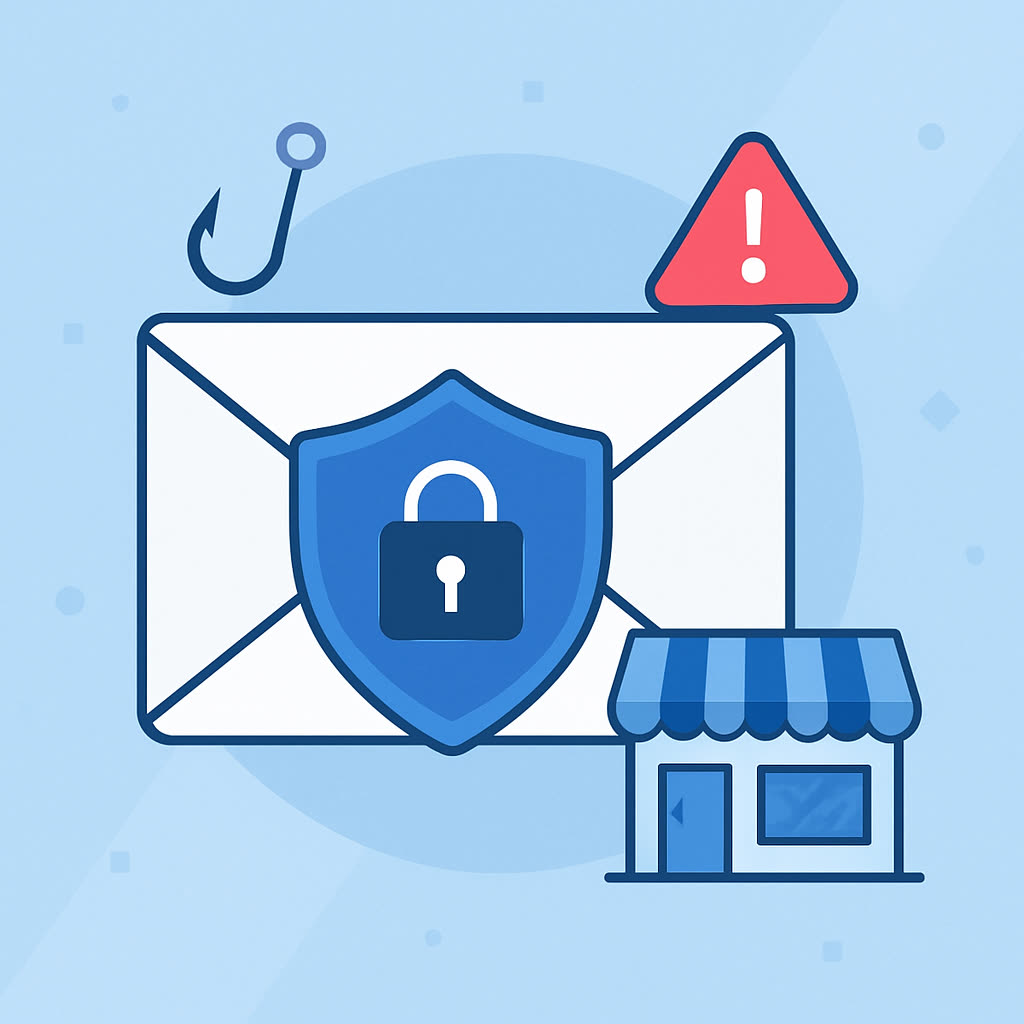
Imagine this: A customer receives an email that looks like it came from your business - same logo, same tone, maybe even a similar email address. But it wasn’t you. It was a scammer pretending to be you, asking for sensitive information or even money.
This kind of impersonation happens every day, and it’s costing small businesses millions of dollars - in lost trust, legal trouble, and real cash.
🛡️ Why You’re a Target
You might think, We’re small - why would anyone target us? That’s exactly why attackers love going after small and medium-sized businesses (SMBs):
You often don’t have full-time IT or security staff.
You rely on email to do business with vendors, customers, and partners.
Your brand may not be famous, but it’s trusted by your community.
Hackers know that if they spoof your domain (pretend to send emails as you), recipients won’t suspect anything - until it’s too late.
💥 The Cost of Doing Nothing
Let's break down what happens when your domain is used in an email scam:
- Customer trust is lost. One phishing email can damage your reputation permanently.
- Your emails get flagged as spam. Even your real messages stop landing in inboxes.
- You could face legal and regulatory consequences. Especially if personal data is stolen.
You work hard to build your business. Email fraud can tear it down - fast.
✉️ The Good News: You Can Prevent This
Most email attacks happen because the business hasn’t locked down its domain properly.
The solution? Email authentication - a set of tools that verify that emails from your domain are actually from you.
The big three are:
- SPF (Sender Policy Framework): Stops scammers from using your domain from unknown servers.
- DKIM (DomainKeys Identified Mail): Adds a digital signature to your emails so they can't be tampered with.
- DMARC (Domain-based Message Authentication, Reporting, and Conformance): Tells receiving servers how to handle emails that fail SPF or DKIM - and sends you reports so you know what’s going on.
If that sounds technical - don't worry. Our platform helps take care of it behind the scenes.
✅ Why This Matters Now More Than Ever
Cyber threats are getting smarter. Regulations are getting tighter. And customers expect businesses - no matter their size - to take security seriously.
Email is still the #1 way hackers attack. But with the right protections in place, it doesn’t have to be a weak link.
🔒 Let Us Help You Secure Your Email
We specialize in helping small and medium businesses secure their email infrastructure - no jargon, no stress. Whether you're on Gmail, Outlook, or another platform, we’ll walk you through what’s needed to stay protected.